Objective & Goals
The competences and scientific interests within the group may be organized under three main topics: interfaces, sensors and luminescence.
The specific projects and aims of the group are:
- Liquid/liquid interfaces and Ils in nanoconfined systems
- Self-excited chemiluminescence and photodynamic therapy
- Electrodeposition of metal and alloys and preparation of metal nanowires from ionic liquids
- Preparation and use of molecular recognition process via molecular imprinting
- Fabrication of photo- and electrochromic systems for chemical sensing
- Computer simulations: ILs, DES, MIPs, chemiluminescence and reactivity
- Nanocomposites from marine material wastes
Publications
Show All Group PublicationsActivities with Parents on the Computer: an ecological framework
Team: João Paiva, Carla Morais, Luciano Moreira, Natália Silva
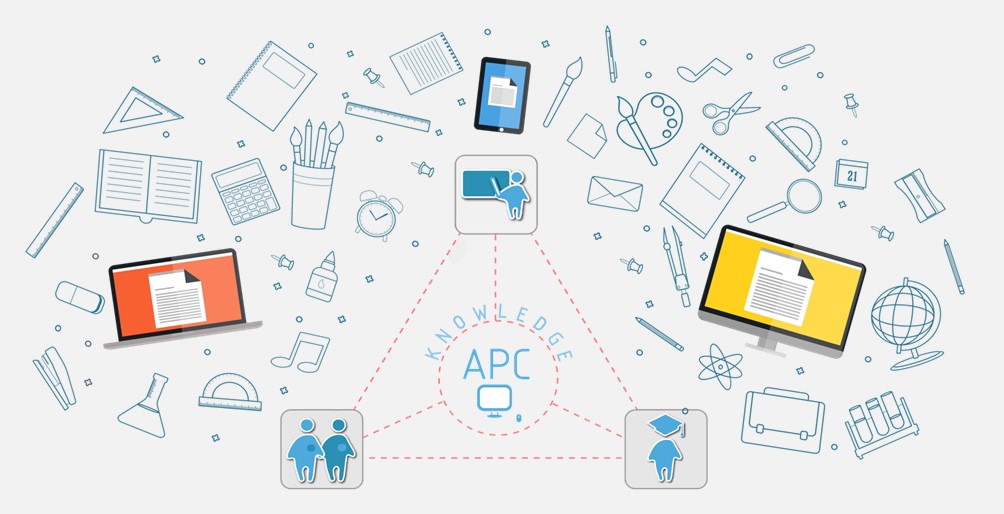
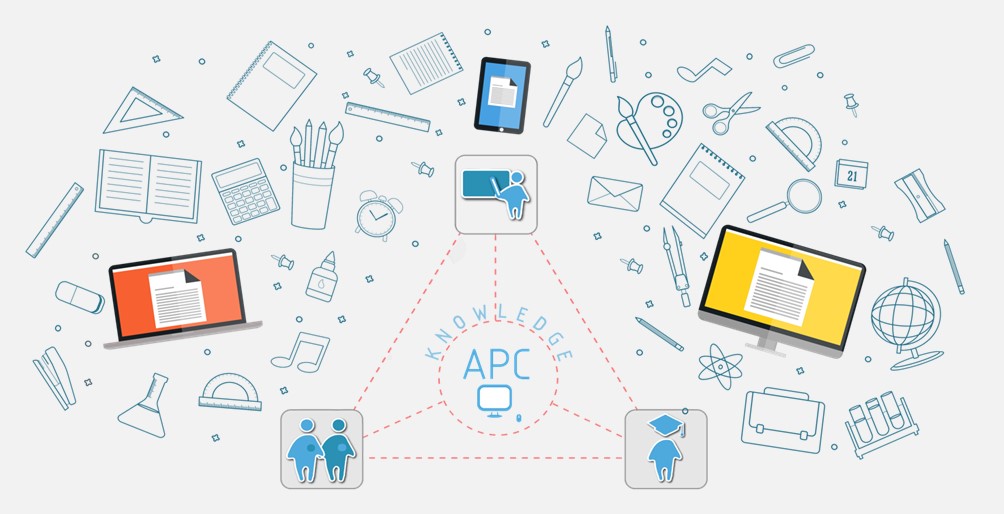
The group propose an ecological framework “Activities with Parents on the Computer” (APC) to bridge home and school contexts by involving parents and students in digital media based assignments.
Paiva, J. C., Morais, C., & Moreira, L. (2017). Activities with Parents on the Computer: an ecological framework.
Journal of Education Technology & Society, 20(2), 1-14. link
Paiva, J. C., Morais, C., & Moreira, L. (in press). Activities with parents on the computer: Science teachers’ views.
eProceedings for ESERA 2017.
Storytelling with chemistry and related hands-on activities: Non-formal learning experiences to prevent “chemophobia” and promote young children´s scientific literacy
Team: Carla Morais, José Luís Araújo, Luciano Moreira
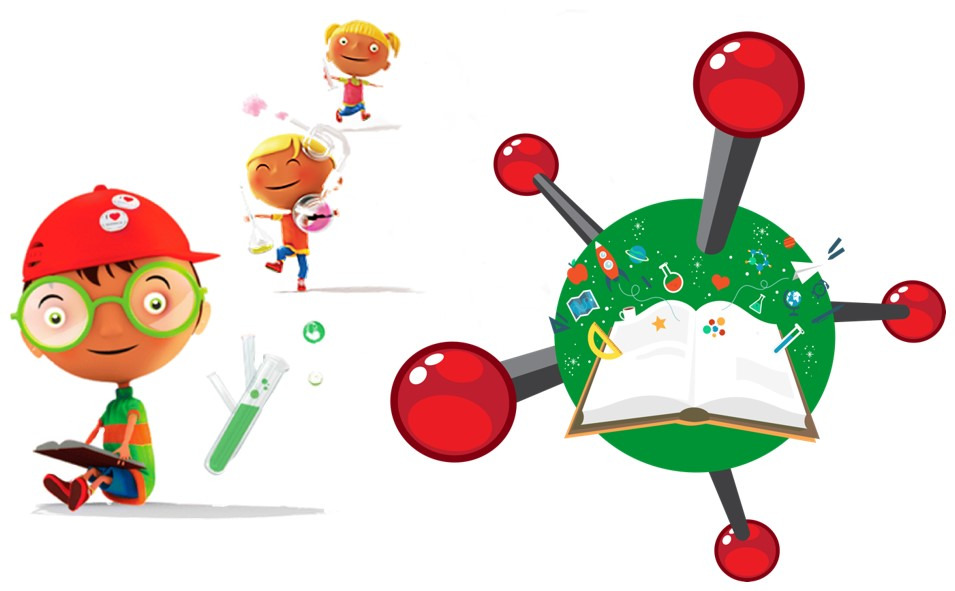
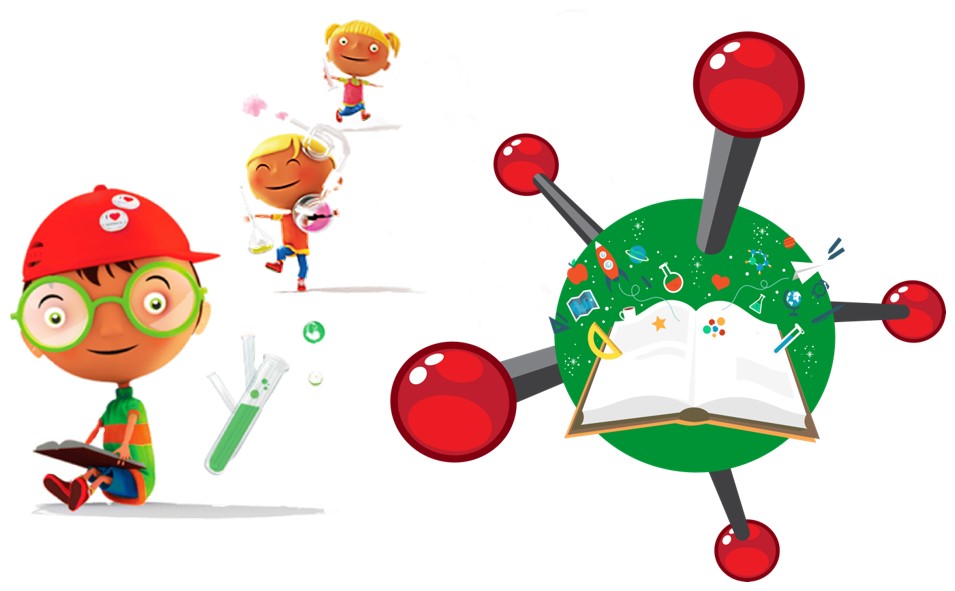
This work describes a study that took place in “RÓMULO—Centro Ciência Viva da Universidade de Coimbra”, which involved a convenience sampling of 29 students (ages 8–10) from a elementary school. The experiment included storytelling (covering concepts of chemistry) followed by hands-on activities emulating the story. After the hands-on activities, the students were asked to express, through drawing, what they felt to be the most relevant aspects of what they experienced.
Morais, C. (2015). Storytelling with chemistry and related hands-on activities: Non-formal learning experiences to prevent “chemophobia” and promote young children´s scientific literacy. Journal of Chemical Education, 92(1), 58–65. link
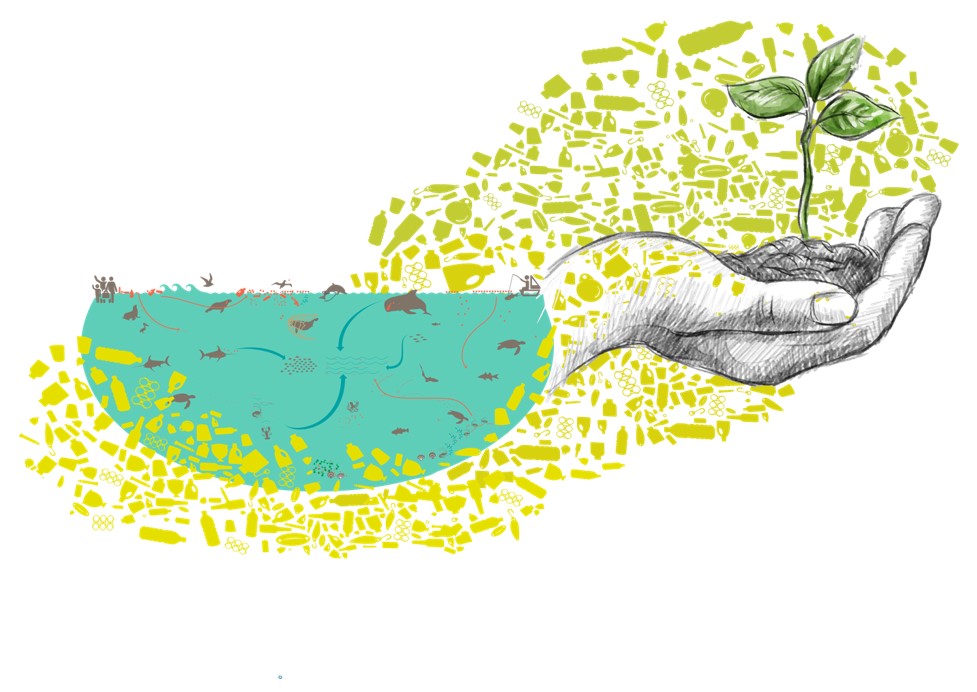
Digital infographics on marine litter: Social representations and science communication
Team: Ana Teixeira, Carla Morais, Luciano Moreira
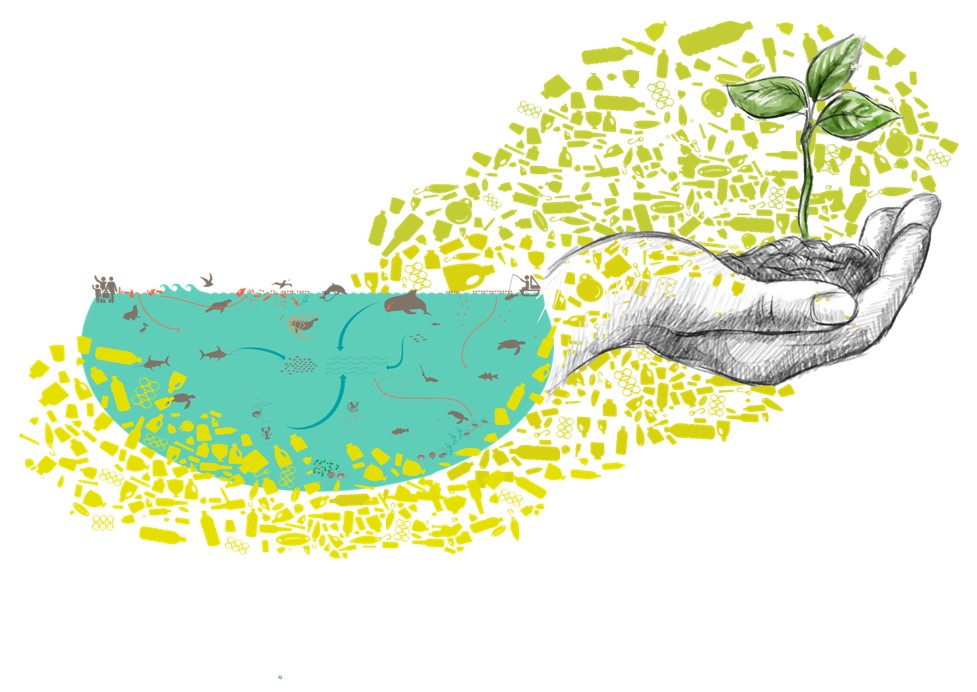
We present a preliminary results of a research which aims to clarify the role of social representations on participants’ levels of effortful thinking and attitude formation when these are processing persuasive science communication messages via digital infographics, with a focus on marine litter.
Teixeira, A., Morais C., & Moreira, L. (2018). Digital infographics on marine litter: Social representations and science communication. In L. Gómez Chova, A. López Martínez, I. Candel Torres (Eds.), EDULEARN18 Proceedings – 10th Annual International Conference on Education and New Learning Technologies (pp. 6772-6781). Palma de Maiorca, Espanha: IATED Academy. ISBN: 978-84-09-02709-5.
Utilização de multimédia educativo no ensino das Ciências Físico-Químicas em Portugal [The use of educational multimedia in the teaching of Chemistry and Physics in Portugal]
Team: João Paiva, Carla Morais, Luciano Moreira, Jorge Mota
The main purposes of the project were to know how multimedia was used to teach science and also what methods were chosen to evaluate the pedagogical designs in the Portuguese Education between 2010- 2014. A systematic review of literature was conducted. The corpus of analysis consisted of Master dissertations, PhD thesis and conference papers that were retrieved from the online repositories or proceedings. Results showed that a wide range of multimedia was used, including multimedia specifically designed to teach sciences (e.g., simulations) and non-specific multimedia (e.g., Excel). The level of interactivity and openness of the multimedia was also variable and the affordances of the multimedia were often not fully used. Most pedagogical designs were based on co-constructivist perspectives (43%) or dialogic perspectives (34%), while transmissive perspectives (16%) and constructivist perspectives (7%) were less used. Most research was non-experimental, based on small samples, using non-validated questionnaires and field notes. Mixed methods or qualitative methods were most frequently selected to gather and analyse data. The study is very significant in that it allowed us to map the trends on multimedia research in the particular case of science teaching. These trends revealed an imbalance between non-experimental, exploratory research and alternatives that increase internal validity or that allow to explore meaning and pedagogical appropriation of technology associated with the use of multimedia to teach sciences on the long run. It also showed that it is necessary to pay more attention to emergent practices. At the same time, this research provides important information also for science teachers that want to improve their performance using best-practices. Current research includes monitoring an online site that gives access to the raw data of the study and allows users to suggest and upload new documents according to an open and participatory science framework.
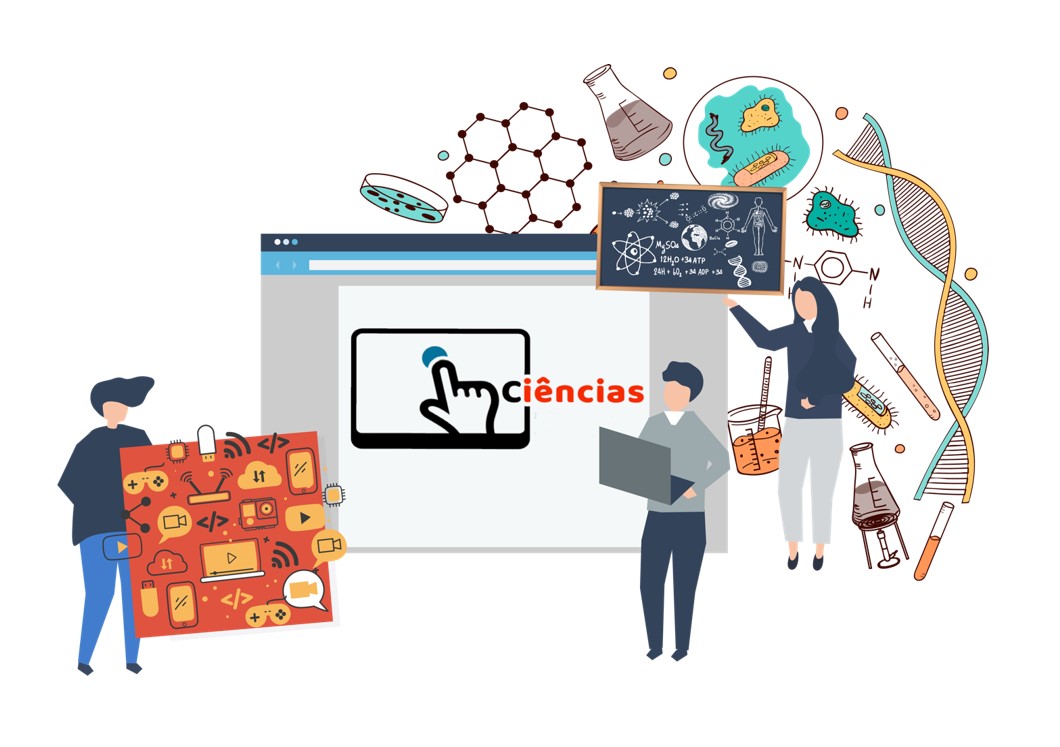
Mota, J., Morais, C., Moreira, L., & Paiva, J. C. (2017). mSciences: an affinity space for science teachers. European Journal of Contemporary Education, 2017, 6(3): 401-413. link
Paiva, J. C., Morais, C., & Moreira, L. (2015). Multimédia no ensino das ciências: Cinco anos de investigação e ensino em Portugal [Multimedia in science teaching]. Lisboa: Fundação Francisco Manuel dos Santos. Available at: http://spq-ffms.spq.pt/?page_id=9
Paiva, J. C., Morais, C., & Moreira, L. (2016). Multimedia in science teaching: Pedagogical designs and research options in the Portuguese education between 2010-2014. L. Gómez Chova, A. López Martínez, & I. Candel Torres, Proceedings of EDULEARN16 Conference (pp. 7690-7698). Barcelona: IATED. doi:10.21125/edulearn.2016.0693
Research Group Members